Automation & AI
We let a machine write our blog The machine was not the hard part
You are told to “do something with AI”. Meanwhile you read texts every day that give themselves away within two sentences – and nobody wants to publish that under their own name. We automated our own article production and learned where the line between the two actually runs.
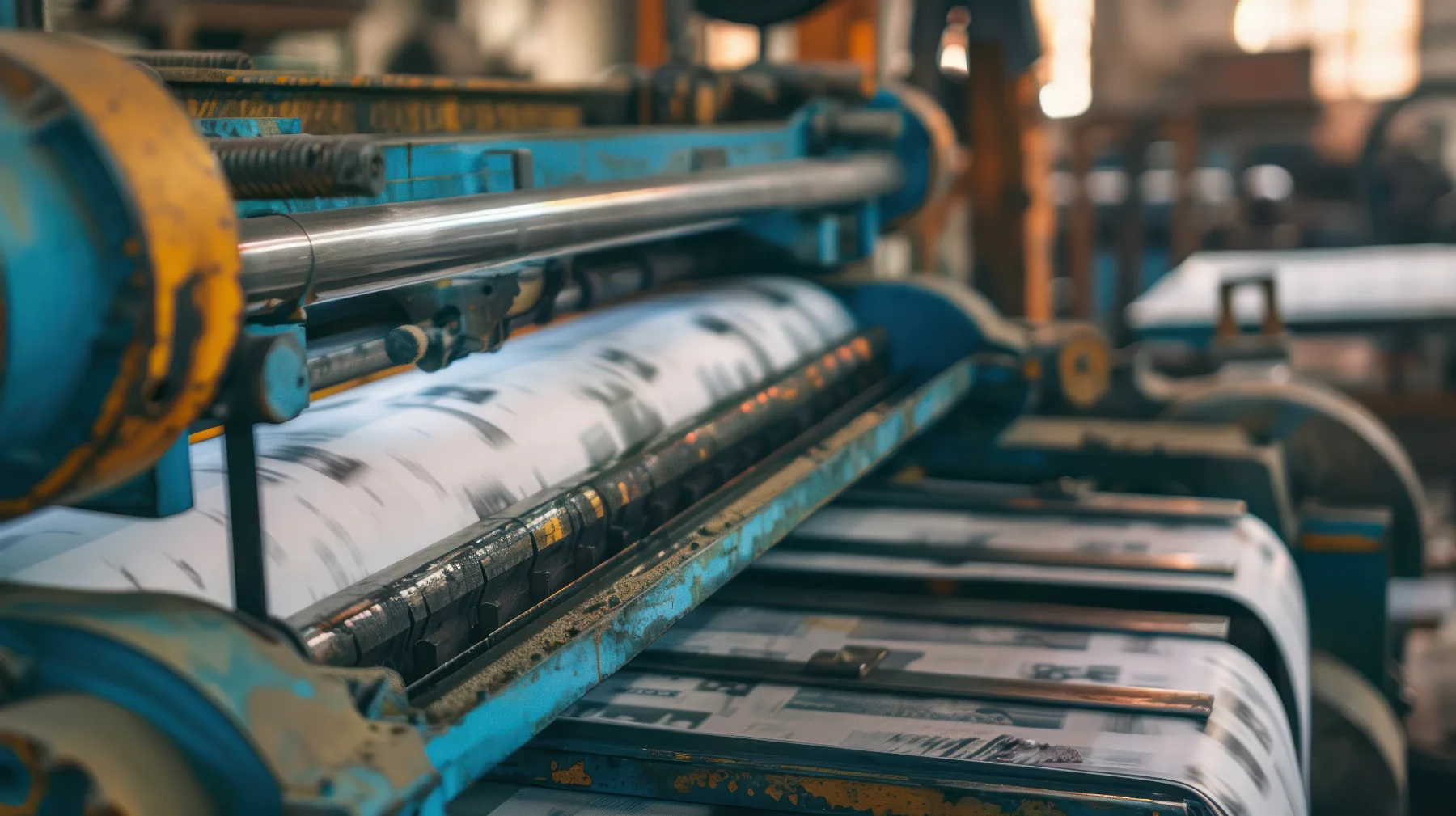
Producing the text is the easy part
Our process starts with a form: topic, main keyword, category – and either source URLs or our own project notes. From there the chain runs on its own. Sources are fetched and stripped of markup, a language model writes the article against a fixed editorial brief, and a second stage checks the result against that same brief. The German version produces a French and an English one, a fitting image is found, resized and filed in the media library. At the end, three articles sit in the content system.
Unpublished. Every article stays a draft until a human releases it. That is not a precaution for the early days, it is the design – and it does not change once the process is running.
What matters here is not the speed. It is the two things that stay manual: which topic goes in, and which first-hand experience comes with it. The rest is mechanics.
Automation takes formatting, translation, image sourcing and publishing off your hands. It does not take away the need to have something to say.
Three languages are not a nice-to-have where we work
A forty-person company rarely has someone who writes technical articles on the side – let alone in three languages. That is where most company blogs stall: one language is current, the second is six months old, the third never happened.
So we treat the second and third language as an adaptation rather than a translation. Each version keeps the argument but changes which examples and which regulatory context carry weight for its reader. A literal translation reads like a text meant for somebody else, because that is exactly what it is.
The three versions are linked inside the content system, so the language switcher lands on the matching article instead of the homepage. It sounds like a detail. It is the difference between a multilingual site and three sites standing next to each other.
Three decisions make the difference – none of them technical
Whether a text reads like mass production does not depend on the model. It depends on what you forbid it to do.
A review stage holds the draft against the same brief and fixes what mechanically breaches it: a missing mandatory section, an over-long meta title, urgency phrasing. It does not replace editorial judgement. It catches what needs no judgement.
- Every article has to advise against something. The editorial brief requires a section on when the thing is not worth it. That is the most effective difference from generated bulk content – without that instruction, a generator recommends everything it writes about.
- Numbers are never invented. Every figure either comes from a linked source or from our own project work – and then it appears as “in our case”, never as a market claim. Where no solid figure exists, the text stays qualitative instead of estimating.
- The layout is identical to the hand-built one. Same classes, same fonts, same scroll animation. Otherwise the reader notices within three seconds that there are two tiers of content here – and draws conclusions about both.
What broke along the way
Writing was the uncomplicated part. The time went elsewhere.
Images sat correctly in the media library and were still unreachable by URL – a permissions problem on the target folder that produces no error message, only a missing image. A heading rendered in synthetic bold because our house typeface ships one weight per family and the browser invents the second. And a configuration file we shipped with the interface silently replaced a system default – after which project pages came up empty, with no error anywhere.
None of these problems has anything to do with artificial intelligence. All three would have cost the project to someone unfamiliar with the system. That is the part the marketing for these tools does not show: producing has become cheap, wiring it cleanly into a running system has not.
When this is not worth it for you
Three situations in which we advise against it – and we see all three regularly.
- You need a dozen articles a year. Then write them. The setup pays off through repetition, not on any single text.
- Nobody on your side can judge the drafts on substance. A production line without competent sign-off produces faster what damages your reputation. Sign-off is not the bottleneck, it is the point.
- You have nothing of your own to add. No project experience, no figures from your own house, no position: then the process will reliably produce texts that already exist a thousand times over. The problem is not the automation – you are missing a subject.
Would this pay off for you?
Wondering whether your content – or another recurring process – could be automated? We look at the process before anyone builds anything, and we will also tell you when your volume does not justify the effort.
